What is SSL and why does it matter?
SSL (short for Secure Sockets Layer) is what keeps your information safe when you visit a website. In simple terms, it creates a secure, private connection between your web browser and the website you’re using.
Without SSL, information you send over the internet, like passwords, contact forms, or credit card numbers can potentially be seen or stolen by others. SSL prevents that by locking the data while it travels from your computer to the website.
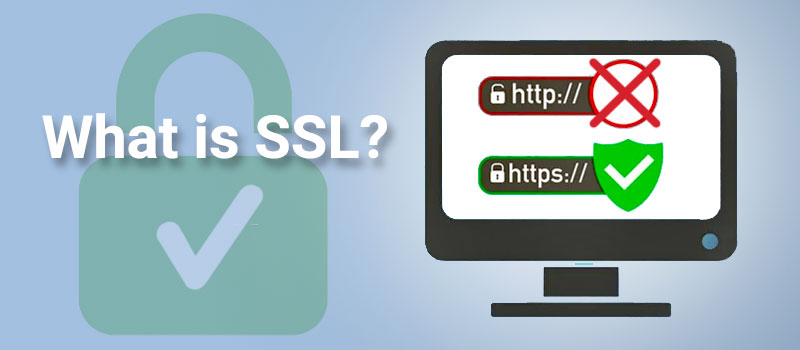
You can usually tell a site is using SSL because:
- The website address starts with https://
- You see a padlock icon in the browser’s address bar
How does SSL protect you?
SSL does a few important things behind the scenes:
- It encrypts your data; it scrambles the information you send so that even if someone intercepts it, they can’t read it.
- It Confirms the website is real
- It checks that you’re actually talking to the correct website—not a fake or copycat site trying to trick you.
- Keeps data unchanged
- It makes sure the information isn’t altered while being sent, so what you send is exactly what the website receives.
Isn’t SSL outdated?
Technically, yes. SSL has been replaced by a newer and more secure system called TLS (Transport Layer Security). However, people still use the term “SSL” out of habit. When most people say SSL today, they’re really talking about TLS.
Why is SSL essential for websites?
SSL isn’t just a “nice to have” … it’s expected now.
Better security
It protects users from data theft, hacking, and phishing scams.
User trust
The padlock icon reassures visitors that the site is safe to use. Without it, many people will leave immediately.
Browser warnings & SEO
Modern browsers actively warn users when a site is “Not Secure” and some may even block those websites!
Plus, search engines like Google prefer secure (HTTPS) websites, which can help with search rankings.
How does a website use SSL?
A website installs an SSL certificate on its server. When someone visits the site, the browser and server quickly confirm they can trust each other and then create a secure connection. This all happens automatically in the background, usually in a fraction of a second.